

Bariatric Folding Wheelchair
Bariatric folding wheelchairs are created to accommodate users of a bigger size. They include a greater weight capacity than basic models and are developed with reinforced materials for added stability and durability.
However, not everybody with a high body mass index (BMI) requires a bariatric chair as many fall within the safe weight limitations of standard wheelchairs.
Size and Weight Capacity
Bariatric wheelchairs have broader seats and are developed to accommodate bigger individuals, usually weighing approximately 500 pounds. These chairs have a sturdy frame made from strengthened products like steel and are developed with larger wheels that supply more weight distribution and maneuverability for bigger users.
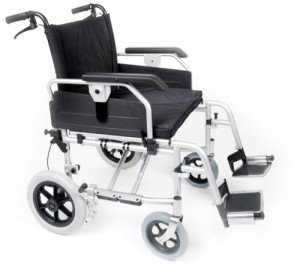
When comparing bariatric wheelchairs, ensure the weight capacity is noted as fixed or active load. Static weight capacity describes how much a chair can hold when it's sitting still, while active load capacity is determined by putting the chair through a drop test that mimics somebody plopping down into the seat.
Standard wheelchairs are extensively produced and created for users with average body weights, making them more budget-friendly than bariatric designs. Medicare and other insurances may just cover a minimal number of bariatric wheelchairs, depending upon a patient's medical requirements and diagnosis. These chairs are also more costly than basic wheelchairs because they have a specific design and building and construction. Nevertheless, they are a great option for clients with a large range of medical conditions that require a more comfortable travel experience.
Seat Dimensions and Comfort
Unlike standard wheelchairs, bariatric models have larger seats to accommodate larger people. They also have more robust frames and big, resilient wheels that can stand up to greater loads. They can be tailored with various seating alternatives and devices based upon the user's needs and preferences.
When comparing wheelchairs, it's crucial to take a look at their weight capacities under both static and active load scores. My Mobility Scooters refers to the chair's maximum capacity when it's sitting still, while active load measures just how much a wheelchair can securely hold when somebody beings in it and moves. Some producers might also show the weight limit of a bariatric wheelchair in kilograms, which is frequently more precise due to the fact that it takes into account the typical bodyweight of a person who utilizes the chair.
In addition to a wide seat, a bariatric folding wheelchair must have adjustable padded leg rests to help users stay comfortable while traveling. It needs to also have flip up armrests that can be vacated the way to avoid getting in the user's method when they wish to stand or transfer to another surface area.
If you're considering a bariatric wheelchair, ask a doctor or mobility expert for suggestions. They can examine your needs, recommend the ideal chairs for you, and guide you through the process of purchasing one. They can also assist you compare functions and prices to discover a wheelchair that best fits your budget. They can even provide recommendations on other mobility services such as power positioning systems and iLevel seating.
Weight and Portability
While basic wheelchairs are generally budget-friendly, bariatric chairs tend to be a bit more expensive. This is due to their specialized style and building, as well as the truth that they're a little heavier than their counterparts.
If you're concerned about the expense of a bariatric chair, speak with a healthcare provider or mobility professional. They'll be able to evaluate your special requirements and figure out which type of wheelchair is the very best suitable for you. They can also recommend wheelchair accessories based upon your specific requirements. In addition, if you're aiming to get your wheelchair covered by insurance, such as Medi-Cal, they can assist you on the steps associated with this process. For additional information, read our guide to wheelchair insurance coverage. Then, you can begin your journey towards independent mobility.
Manoeuvrability and Handling
Choosing the right wheelchair can be a crucial decision for those with limited mobility. Bariatric wheelchairs provide increased weight capacities and are designed to accommodate bigger individuals. They generally include bigger wheels, wider armrests and seating options, and are tougher than basic wheelchairs.
When picking a bariatric wheelchair, think about the person's particular requirements and the environment in which they will be utilizing it. Evaluate the weight capacity and seat dimensions, and search for adjustable functions like padded elevating leg rests to support convenience and ease of transfer.
Determine whether the wheelchair is suitable for manual or powered use. For included versatility, a bariatric folding wheelchair can be quickly folded and compressed for storage or transport. This makes them an ideal choice for those with restricted home space or who need to travel cross countries. The wheelchairs also include puncture proof wheels to guarantee durability and low maintenance. Suitable for users approximately a maximum of 35 stone.